Unlocking the Hidden Treasures of Herbs and Spices: Exploring Their Benefits and Harvest Seasons
Introduction :
Herbs and spices have long been valued for their culinary and medicinal properties. From adding a burst of flavor to dishes to providing numerous health benefits, these aromatic wonders have found their way into kitchens and apothecaries worldwide. In this comprehensive article, we will delve into the captivating world of herbs and spices, exploring their diverse benefits and the optimal harvest seasons for each. Join us on a journey of discovery as we uncover the hidden treasures and unravel the secrets of these remarkable botanical treasures.
The Allure of Herbs and Spices :
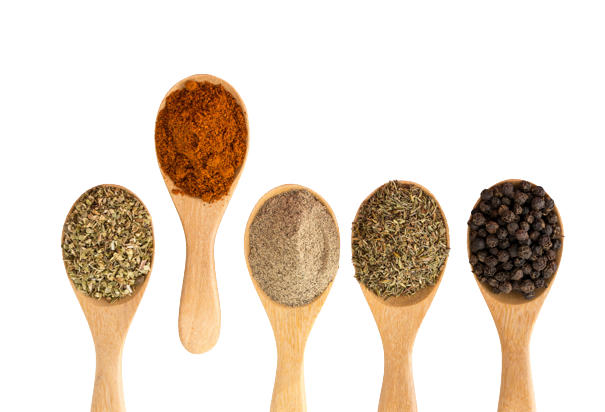
Herbs and spices have been used by various cultures for centuries, not only to enhance the taste of food but also for their medicinal properties. These natural wonders are derived from different parts of plants, including leaves, stems, seeds, bark, and roots, and each offers a unique set of flavors and benefits. While some spices add heat and intensity to dishes, others provide delicate floral or citrus notes. Similarly, herbs can be pungent or subtly fragrant, adding depth and complexity to culinary creations.
Beyond their culinary applications, herbs and spices possess a plethora of health benefits. Many contain powerful antioxidants, which help combat oxidative stress and protect against chronic diseases. Some spices, such as turmeric and ginger, have anti-inflammatory properties, while others, like cinnamon and cloves, may help regulate blood sugar levels. Herbs like mint and chamomile are known for their soothing properties, promoting relaxation and aiding digestion. With such an extensive range of benefits, it’s no wonder that herbs and spices have become an essential part of our daily lives.
Understanding Harvest Seasons :
The flavors and aromas of herbs and spices are influenced by various factors, including the time of harvest. The ideal time to harvest herbs and spices can vary depending on the specific plant and the desired flavor profile. Harvesting at the peak of freshness ensures the highest concentration of essential oils and active compounds, resulting in maximum flavor and potency.
Herbs are typically harvested just before they flower when their essential oil content is at its highest. This is when the flavors and aromas are most intense. For example, basil should be harvested before the flowers appear, while mint leaves are best picked just as the flowers start to bloom. Harvesting herbs in the morning, after the dew has dried but before the heat of the day, helps preserve their essential oils and flavors.
Spices, on the other hand, often come from parts of the plant other than the leaves and require different harvesting techniques. Cinnamon, for instance, is derived from the inner bark of the cinnamon tree and is harvested by carefully removing the outer bark in long strips. This delicate process ensures the best quality and flavour. Similarly, saffron, one of the world’s most expensive spices, is harvested by hand from the stigma of the Crocus sativus flower. The vibrant red-orange threads are painstakingly plucked and dried, ready to impart their unique flavour and colour to dishes.
Understanding the optimal harvest seasons for herbs and spices is crucial for maximizing their quality and flavour. While some herbs, such as rosemary and thyme, can be harvested throughout the year, others have specific harvest periods. For instance, cilantro is best harvested in the cooler months to avoid bolting, while dill seeds are collected when they turn a golden brown. By aligning our harvests with these natural cycles, we can ensure the freshest and most flavourful herbs and spices in our kitchens.