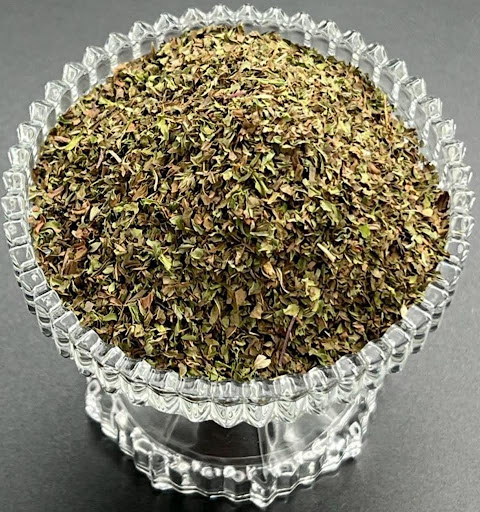
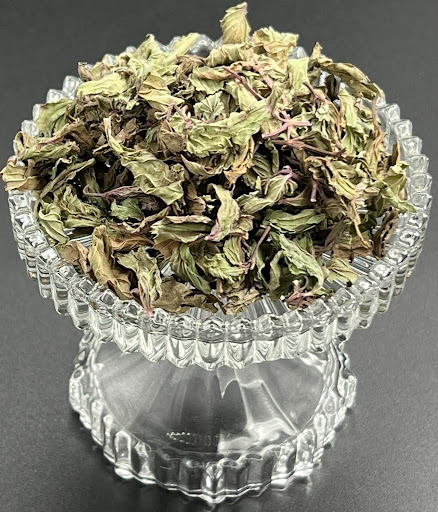
Krausminze / Spearmint / Mentha spicata
Many people are familiar with the flavors of this plant, whether as a common flavoring in chewing gum or tea, or through its pungent aroma wafting from a coffee shop. However, the benefits of mint extend far beyond its mainstream uses.
Mint is a herbaceous, rhizomatous, and perennial plant, renowned for its intense aroma and refreshing aftertaste. This versatile plant is native to Europe and Asia and has been naturalized in many regions of northern and western Africa, North and South America, as well as numerous oceanic islands. Mint grows with stems and foliage ranging from hairless to hairy and spreads via fleshy underground rhizomes. Its family is easily recognized by the characteristic square-shaped stems and leaves that measure 5–9 cm in length and 1.5–3 cm in width.
Among its many medicinal benefits, spearmint tea is commonly used to treat various digestive issues and exhibits antifungal properties, largely due to its essential oils. For those constantly dealing with stress and daily pressures, mint offers a remarkable calming effect and is often used to aid sleep or in massages—perhaps one of the best-kept secrets of masseuses worldwide.
In addition, mint is a powerful antioxidant and is regularly included in Indian lamb seasonings because it delays fat oxidation and reduces the formation of harmful compounds. Beyond its health benefits, mint enhances the flavor and aroma of teas, coffees, salads, and dishes across the globe, making it both a culinary and therapeutic marvel.
- *Disclaimer: We are suppliers to the tea wholesale and manufacturing industry.
Harvest Seasons: Summer and Autumn