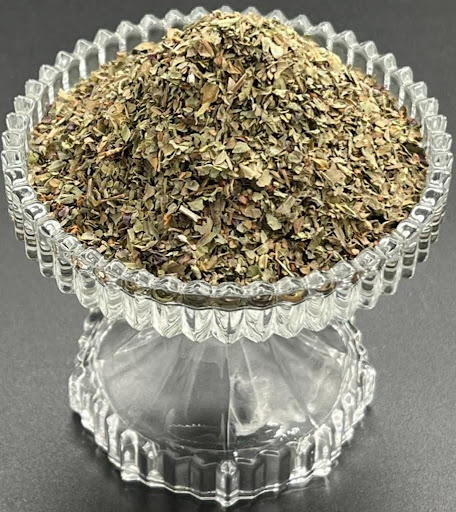

Basilikum / Basil / Ocimum basilicum
Native to Egypt and New Guinea, Basil comes packed with tremendous benefits for culinary and medicinal needs. The low-growing (30 – 100 cm) and half-hardy annual herb is characterized by a square, slightly hairy stem and ovate, with leaves that vary in color from bright green to purple.
Basil has been long associated with various French and Welsh rituals and beliefs. Jewish folklore have claimed that it added strength whilse fasting, while Portugal presents the Dwarf Bush Basil in a pot, with a poem to a loved one, in the religious days of Saint John and Saint Anthony. On a completely opposing note, it was associated with hatred and Satan in Europe.
The culinary delight of Basil stems from ist common use as the final, yet tasteful ingredients in a variety of pastas, salads, and even sandwiches, widespread in Italian cuisines and pesto dishes. In Medicine, it is used to treat various digestion and nercous system problems and is considered an antibacterial, anti-fungal, diaphoretic, emmenagogue, expectorant, stimulant and stomachic agent, to mention a few. Its leaves have been documented to counteract infections and reduce blood cholesterol. The essential oils extracted from Basil are also used for various aroma therapy practices.
The magic of Basil doesn’t end at medicinal or culinary uses. Several studies have indicated that Basil is a non-toxic, effectual anti-fungal and insect repellent, especially to mosquitoes.
- *Disclaimer: We are suppliers to the tea wholesale and manufacturing industry.
Harvest seasons: Summer and Autumn