
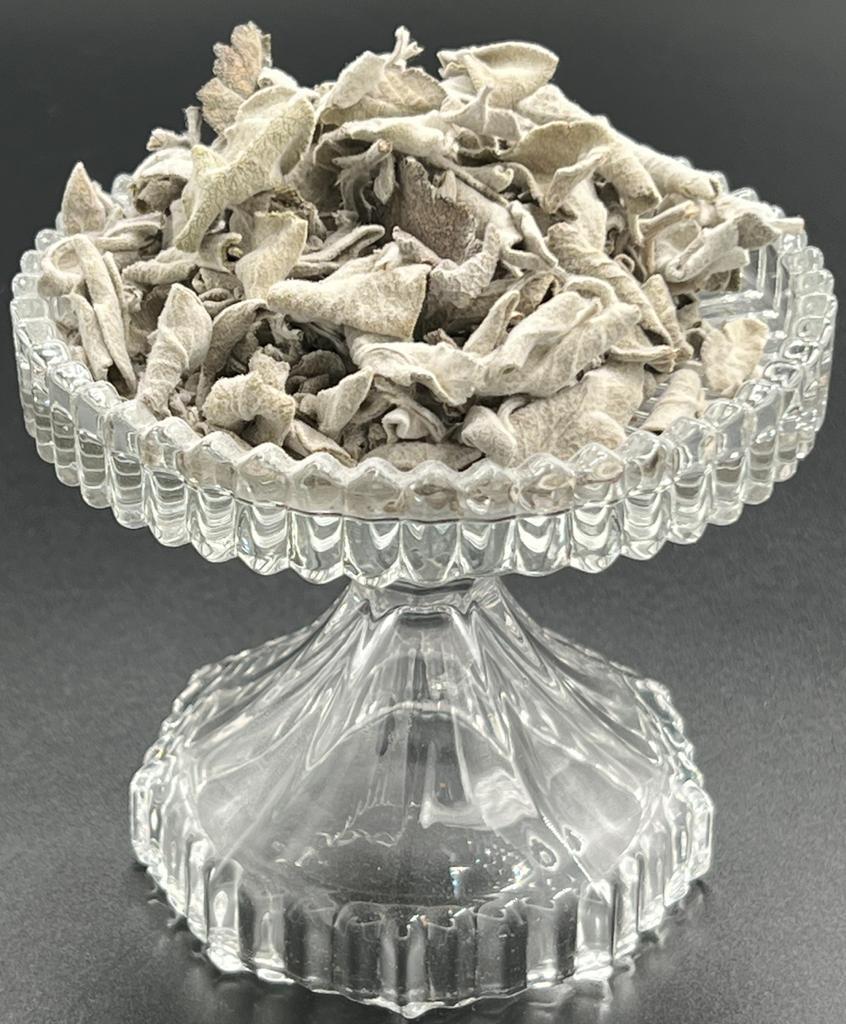
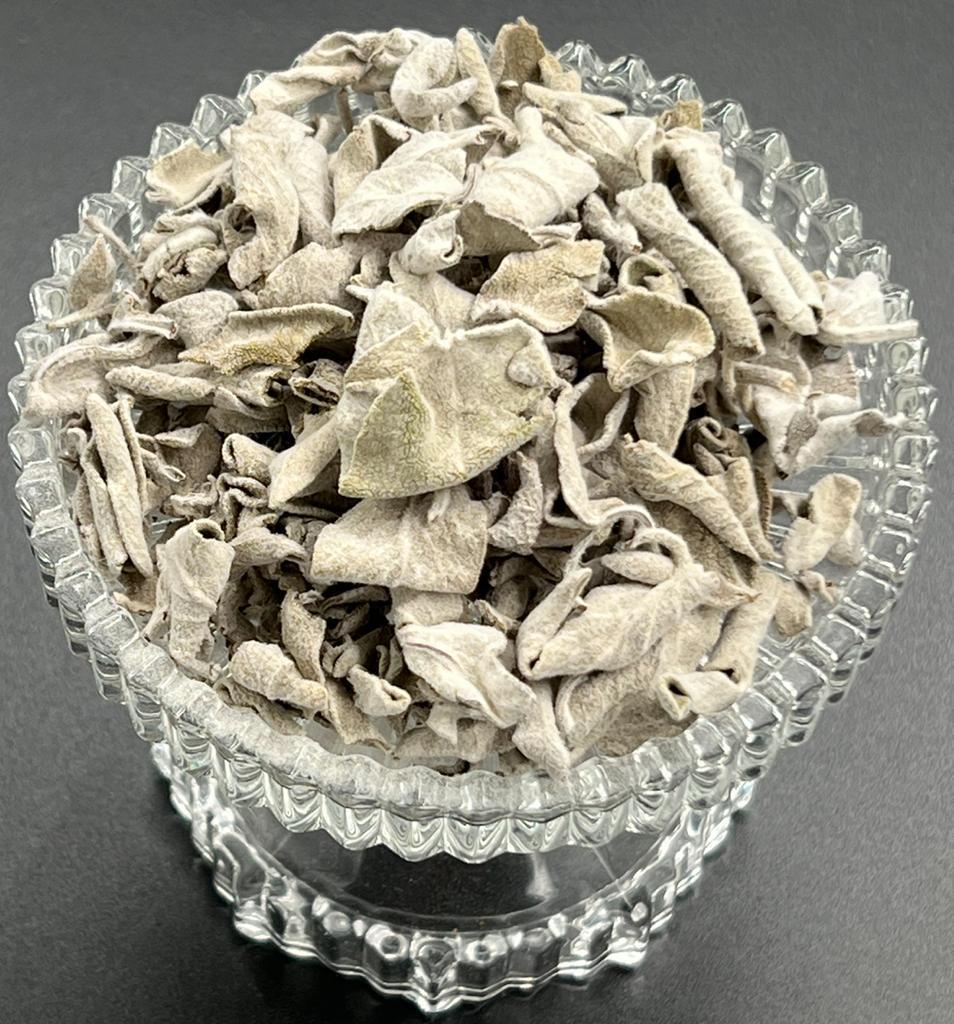
Thymian/Thyme/Thymus vulgaris
The genus Thymus L consists of roughly 350 species of perennial, aromatic herbs and sub-shurbs nativ to Europe, North Africa and Asia. For a thousand years, Thyme has been a superstar of the herb garden, in the Roman era, it was widely held that eating Thyme either before food or during a meal would protect the eater from poisoning. For thousands of years it was also used as an embalming herb; it was thought tob e a powerful aid to those making their passage into the next life.
Thyme oil is one oft he world’s top ten essential oils displaying antibacterial, antimycotic, antioxidative, food perservative and mammalian age-delaying properties. Thyme can be ingested for bronchitis, whooping chough, sore throats, colic, arthritis, upset stomachs, stomach pain, diarrhea, bed-wetting, a movement disorder in children(dyspraxia), intestinal gas, parasitic worm infections and skin disorders. It can also be used to increase urine flow, to disinfect the urine and as an appetite stimulant.
Some people also apply thyme directly onto the skin for inflamation oft he Larynx, swollen, tonsils, sore mouth and bad breath. Thyme oil itself can be used as a germ-killer in mouthwashes and liniments; it can even be applied tot he scalp to treat baldness as well as tot he ears to fight off both bacterial and fungal infections. Thymol, one of the main chemicals found in thyme can me mixed with another chemical called chlorhexidine tob e used as a dental varnish and to prevent tooth decay.
- *Disclaimer: We are suppliers to the tea wholesale and manufacturing industry.